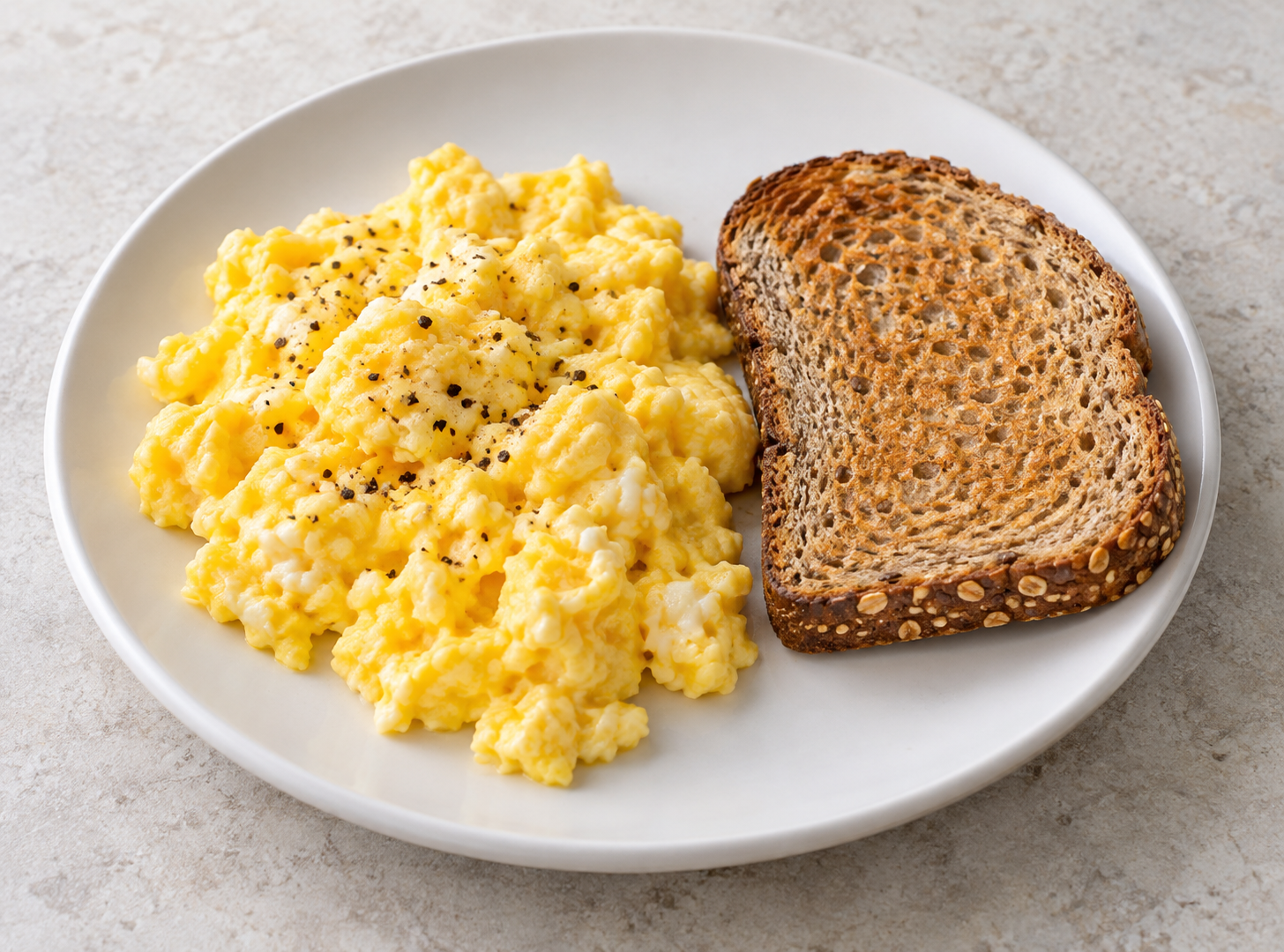
Eggs & Whole-Grain Toast
Eggs and whole-grain toast make a familiar breakfast with protein alongside the bread.
Build a familiar meal or compare two foods to explore estimated glucose differences, food scores, and practical swaps.
Start with a complete meal or compare two foods directly. You can switch tools at any time.
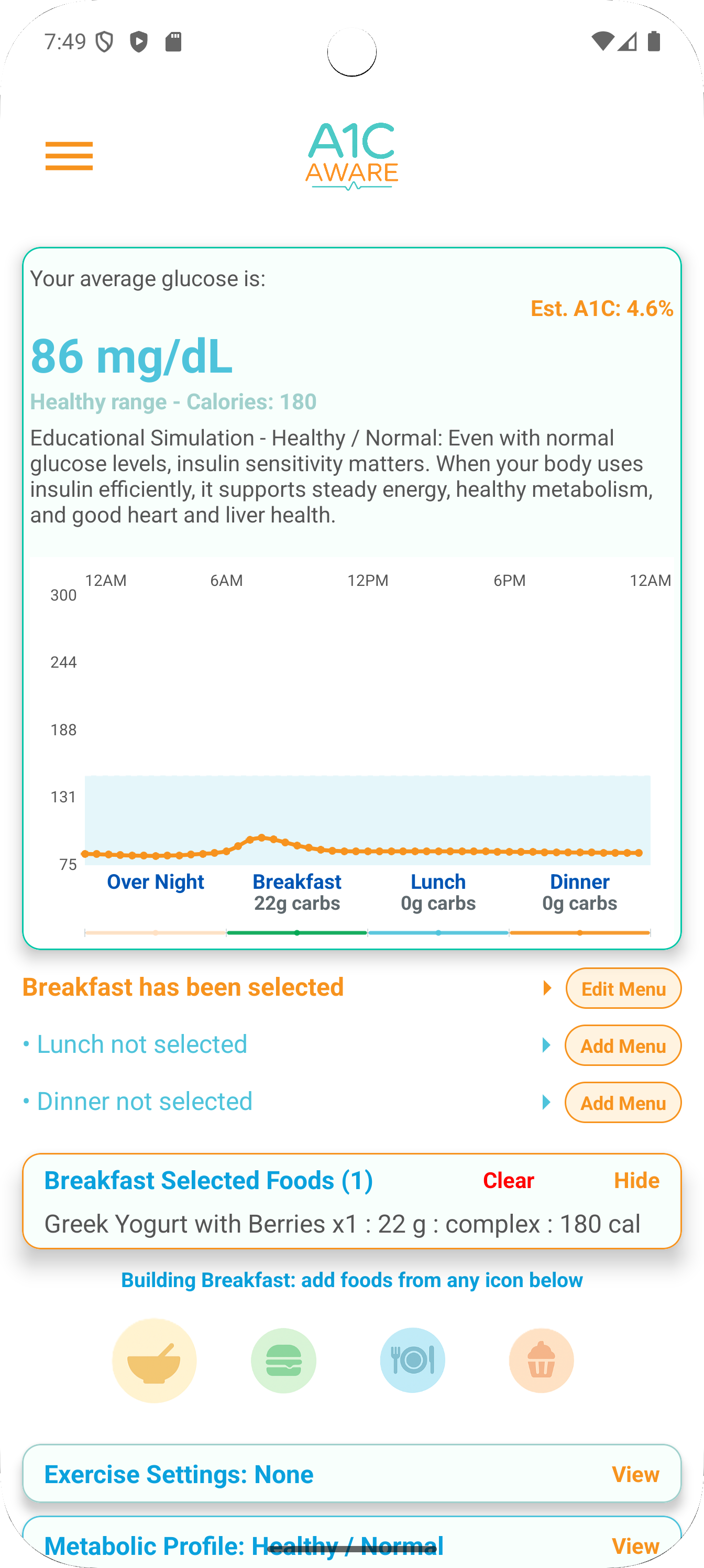
See how each part changes the food score and estimated glucose curve.
Your selections update this curve instantly.
This meal is already one of the steadier choices available.
Nutrition inputs use approximate standard servings informed by USDA FoodData Central. The glucose curves are comparison estimates only, not measured results or personal medical guidance.
Compare a whole orange with a standard cup of orange juice.
Select two foods and a metabolic profile, then choose Compare foods.
Educational Simulation - Healthy / Normal: A general learning example for a person without diabetes.
Educational estimates only. Individual glucose responses can vary by person, portion, medication, insulin timing, movement, sleep, and other factors.
Choose one food or meal to jump directly to its rating, chart, nutrition details, and original recipe link when available.
These are sample dish ratings. Each card uses a general healthy/normal educational estimate, so it is useful for comparison without claiming to predict one person’s exact blood sugar.
Eggs and whole-grain toast make a familiar breakfast with protein alongside the bread.
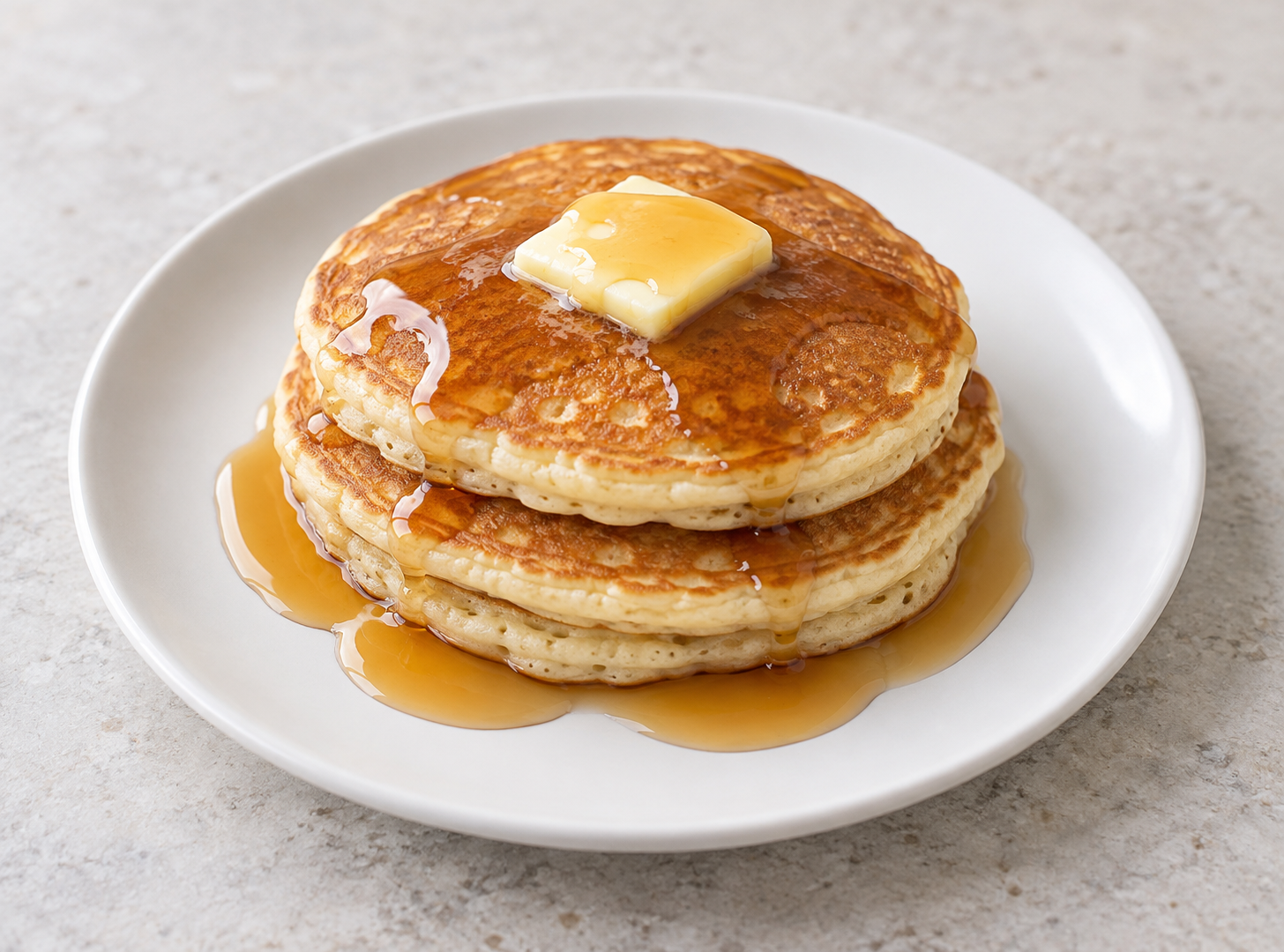
A classic pancake breakfast where the portion and syrup can add up quickly.
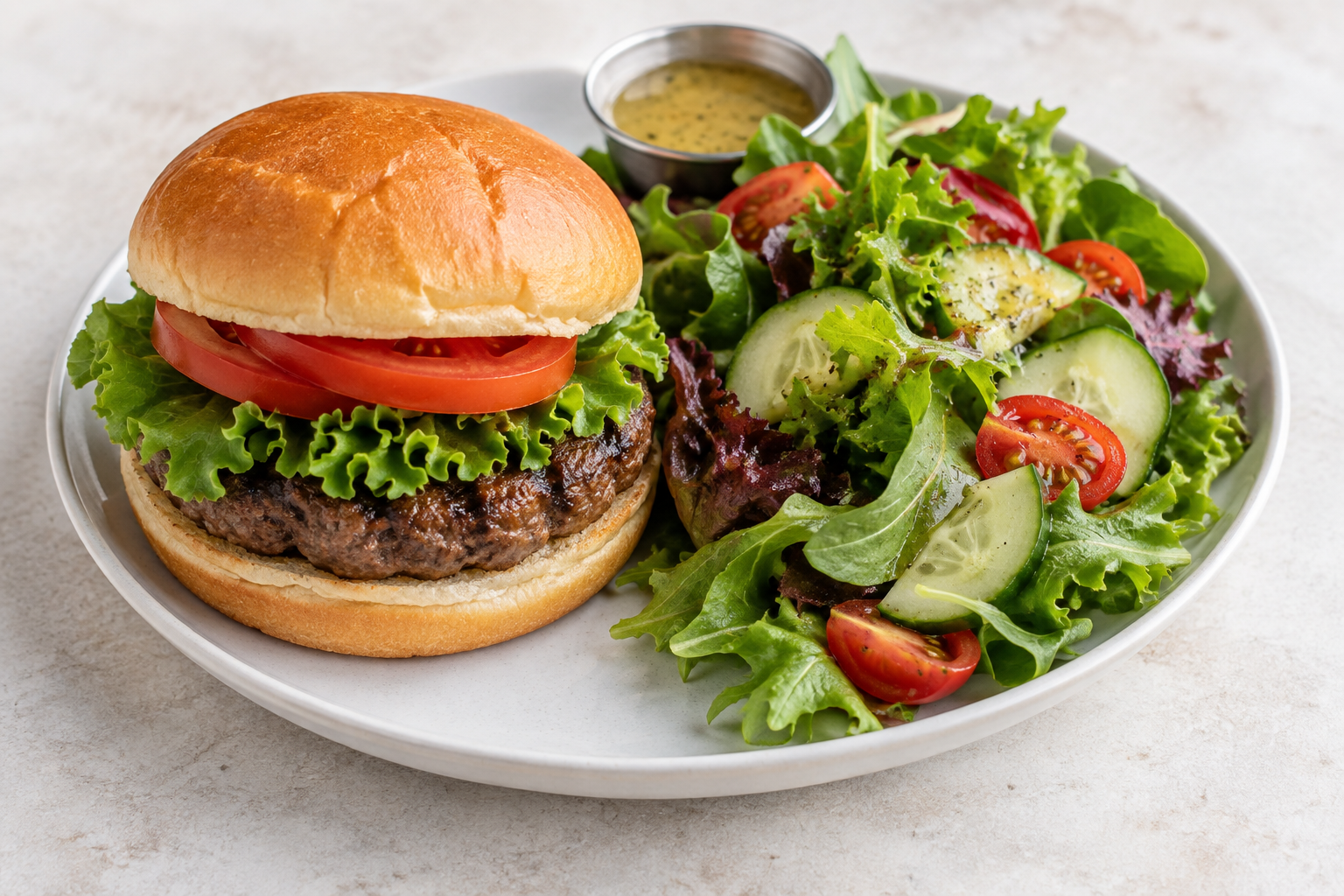
The same basic burger paired with an undressed salad instead of fries.
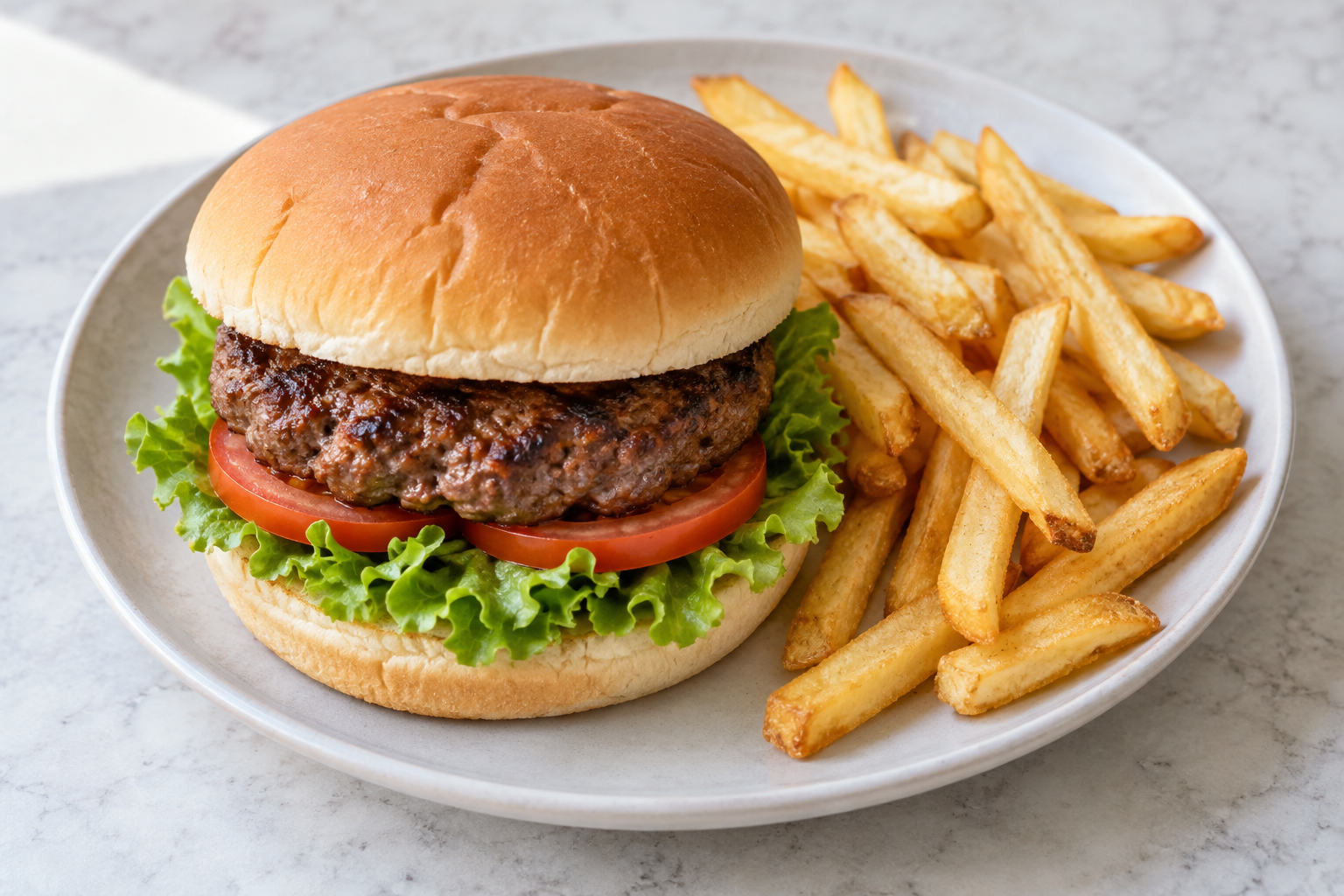
The same basic burger paired with a small serving of French fries.
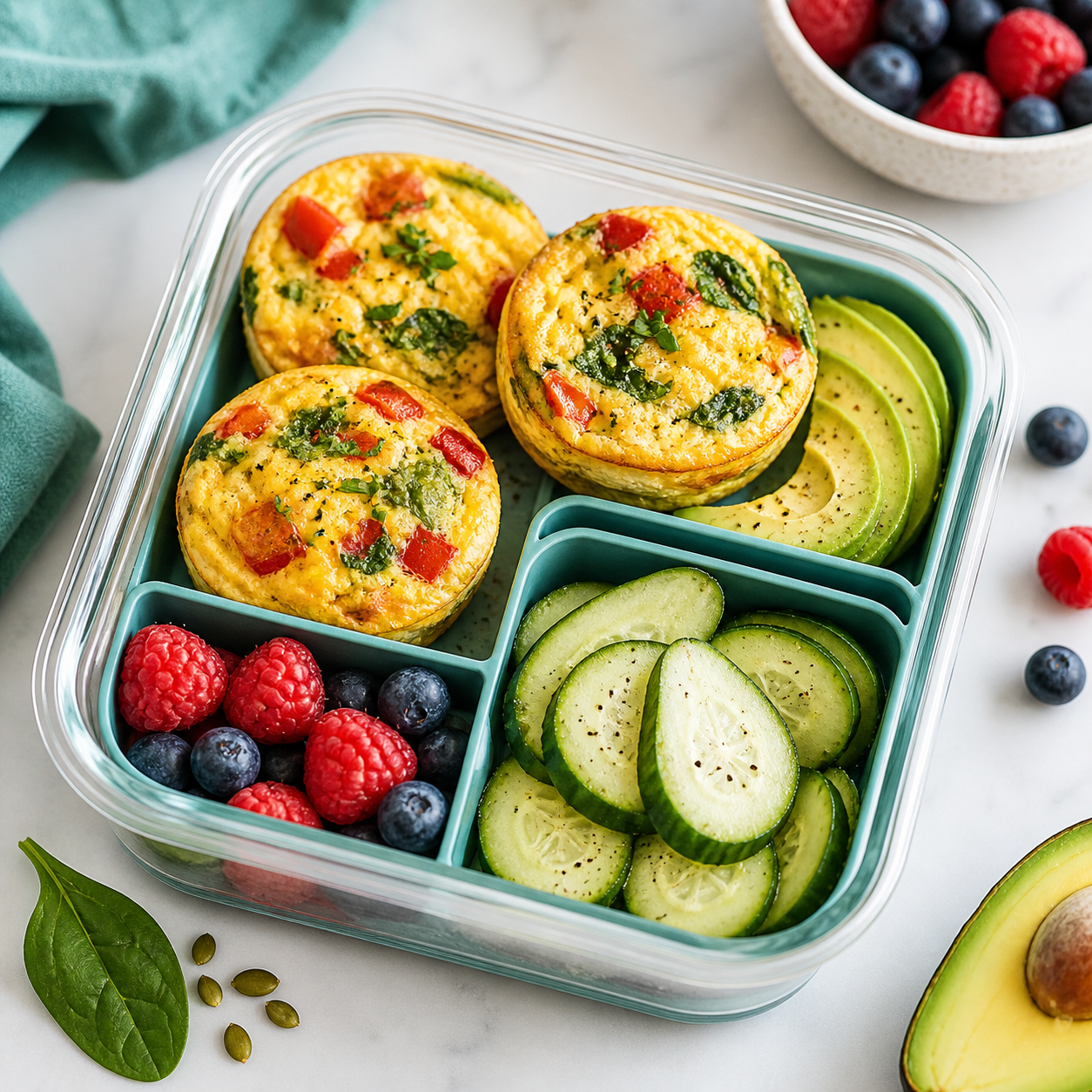
A grab-and-go breakfast idea built around eggs, cottage cheese, and simple sides like cucumber, avocado, or berries.
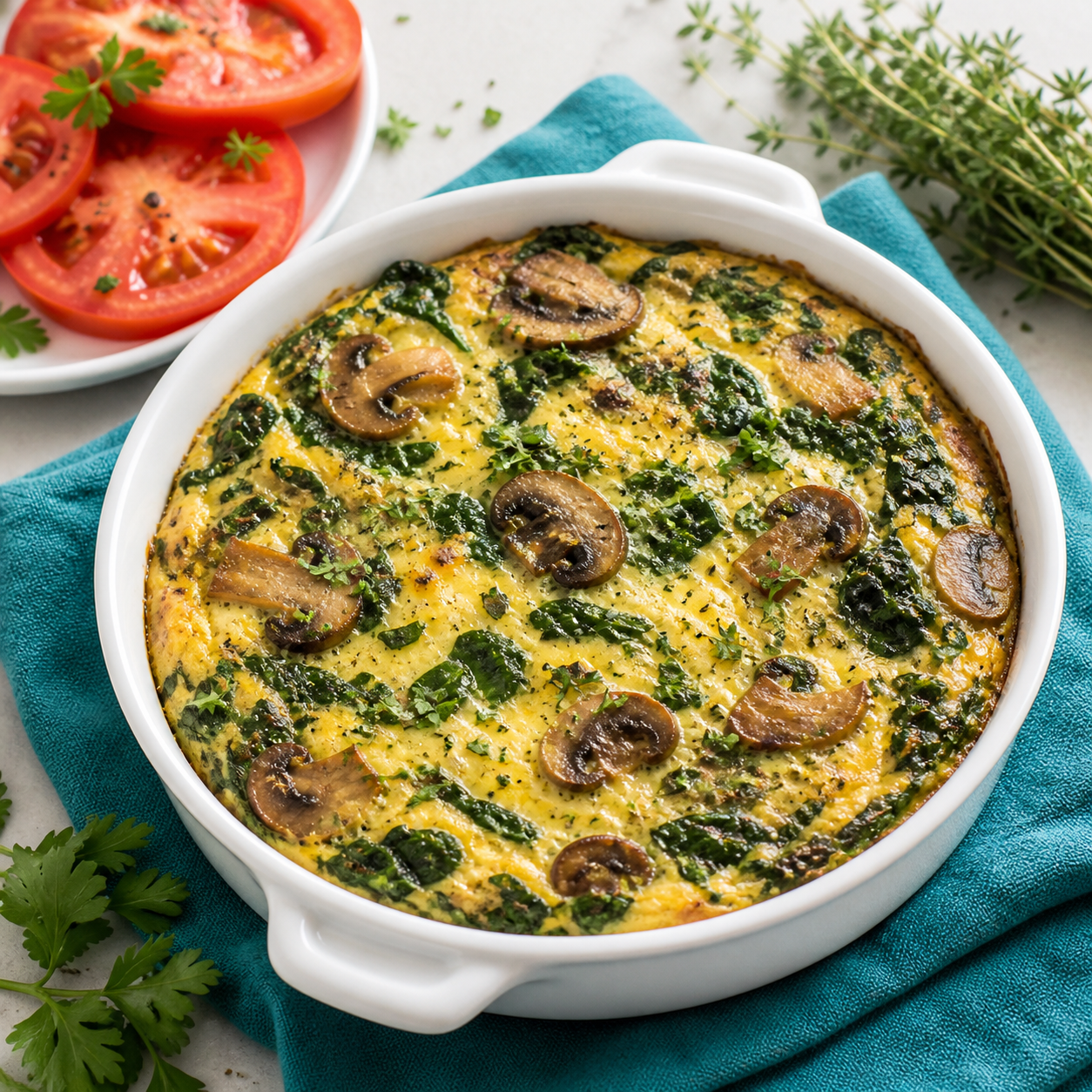
A breakfast-for-two option that can also work as a simple lunch or dinner when paired with tomato or a side salad.
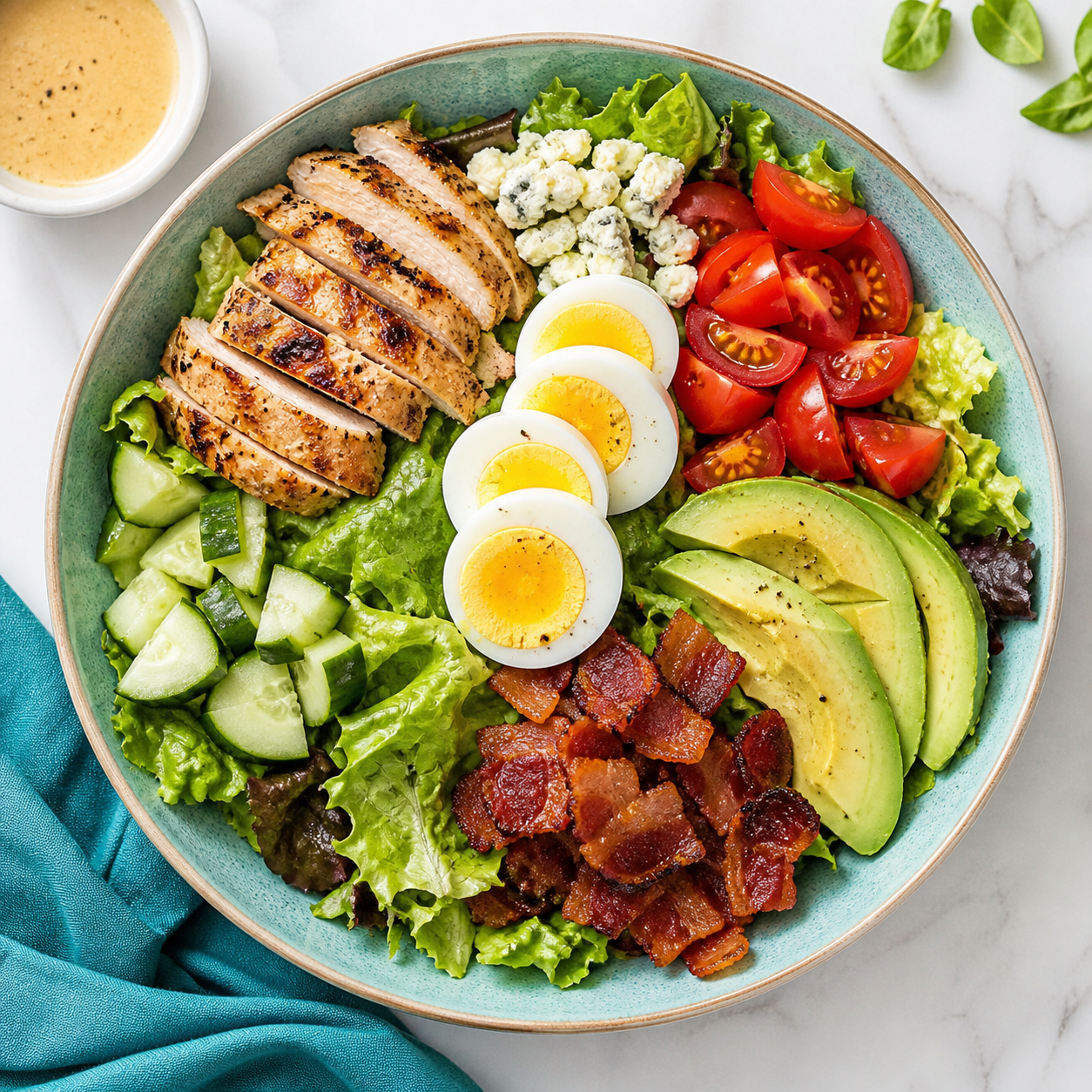
A filling salad idea with chicken, egg, avocado, crisp vegetables, and a measured dressing instead of a mystery lunch.
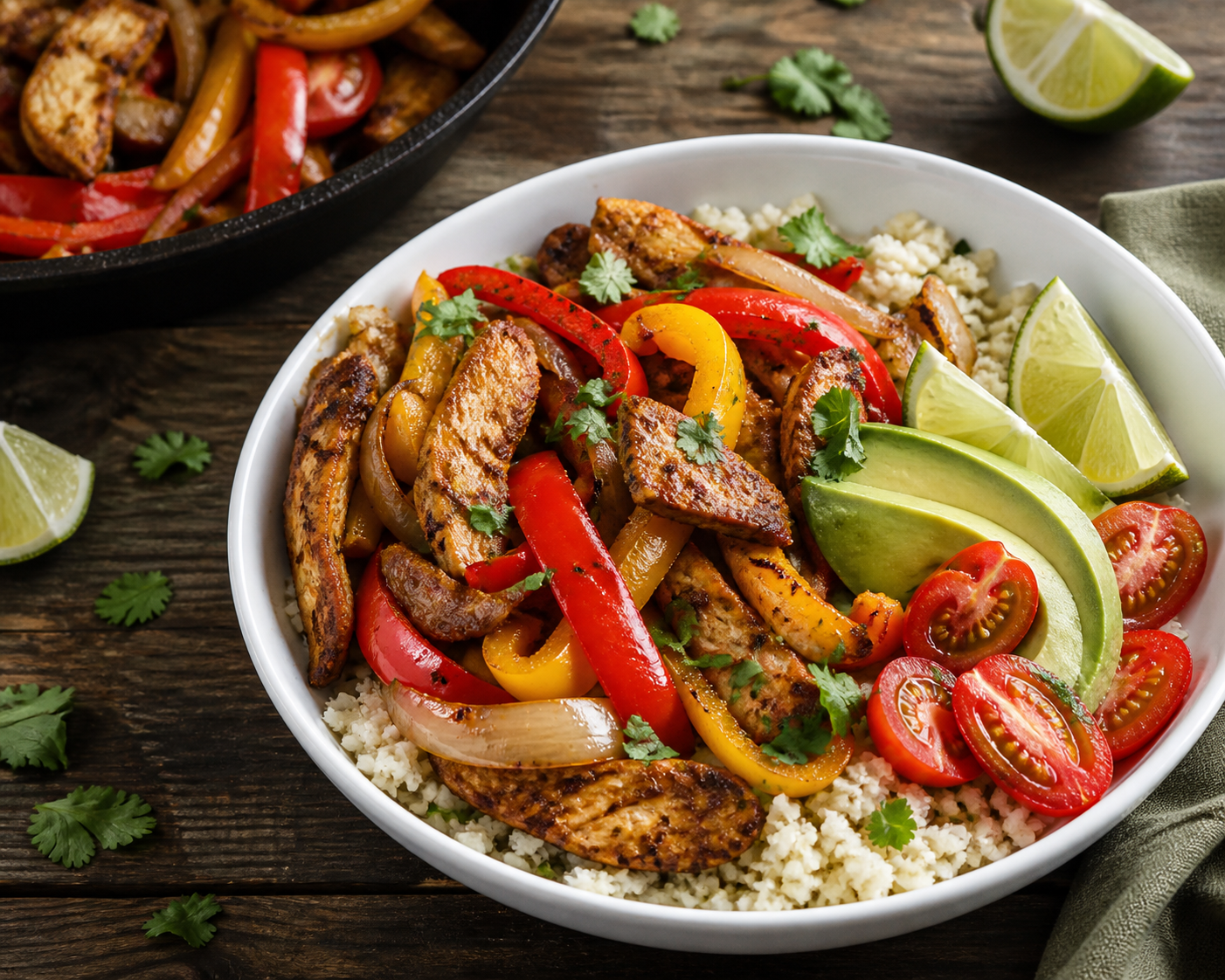
A taco-night style bowl that uses chicken, vegetables, avocado, and cauliflower rice to keep the plate colorful and practical.
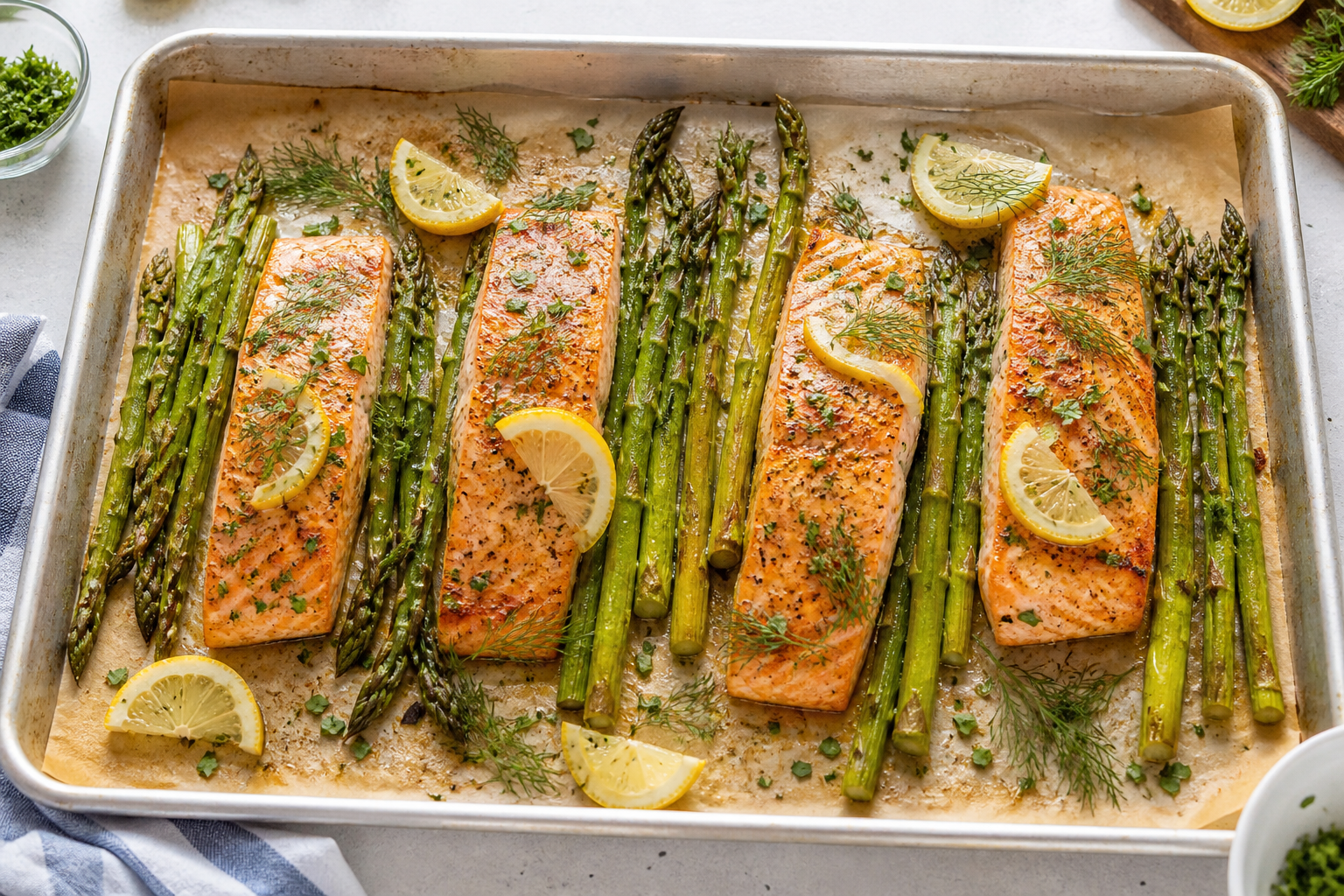
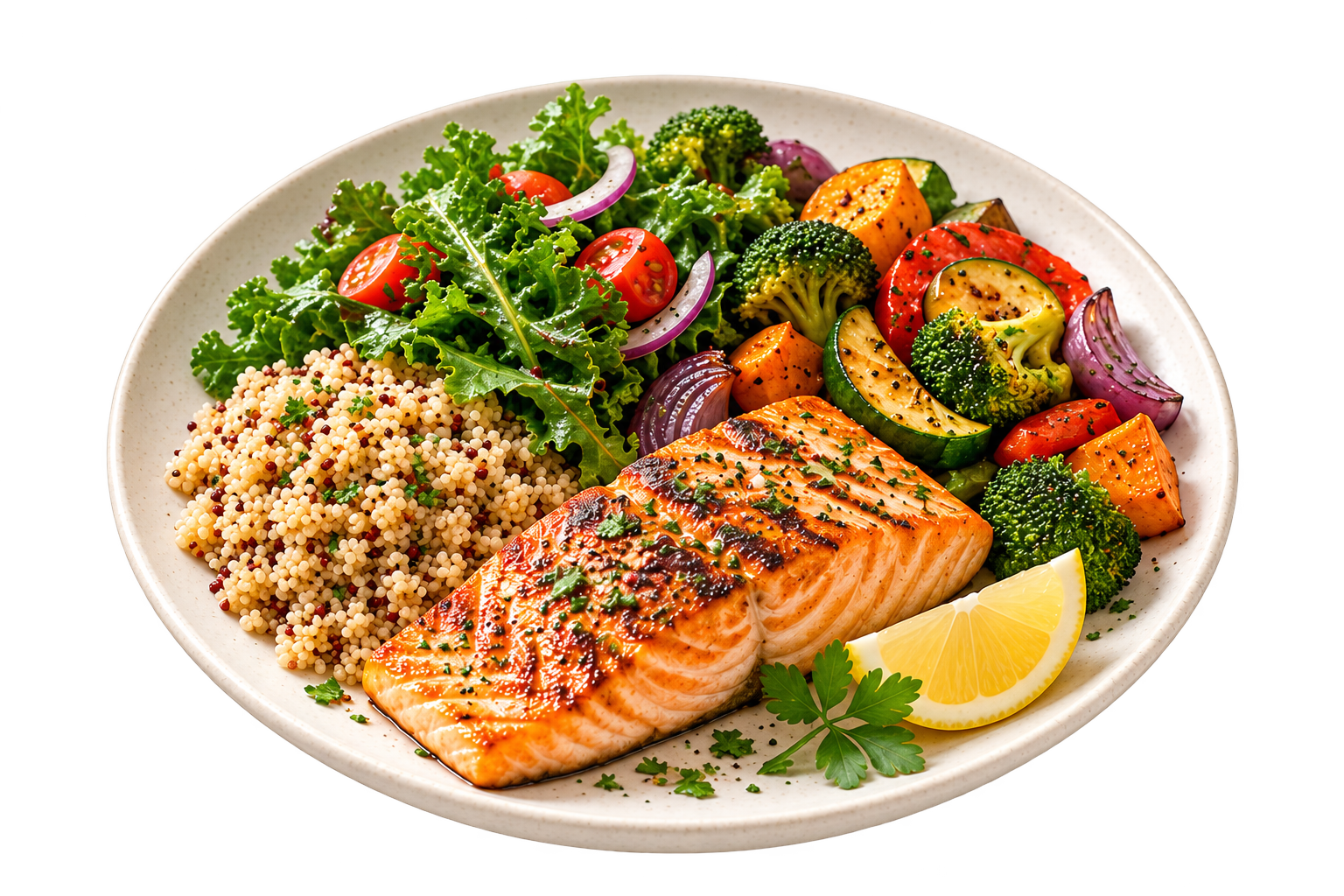
A low-cleanup dinner source with salmon, asparagus, herbs, and a simple sheet-pan structure.
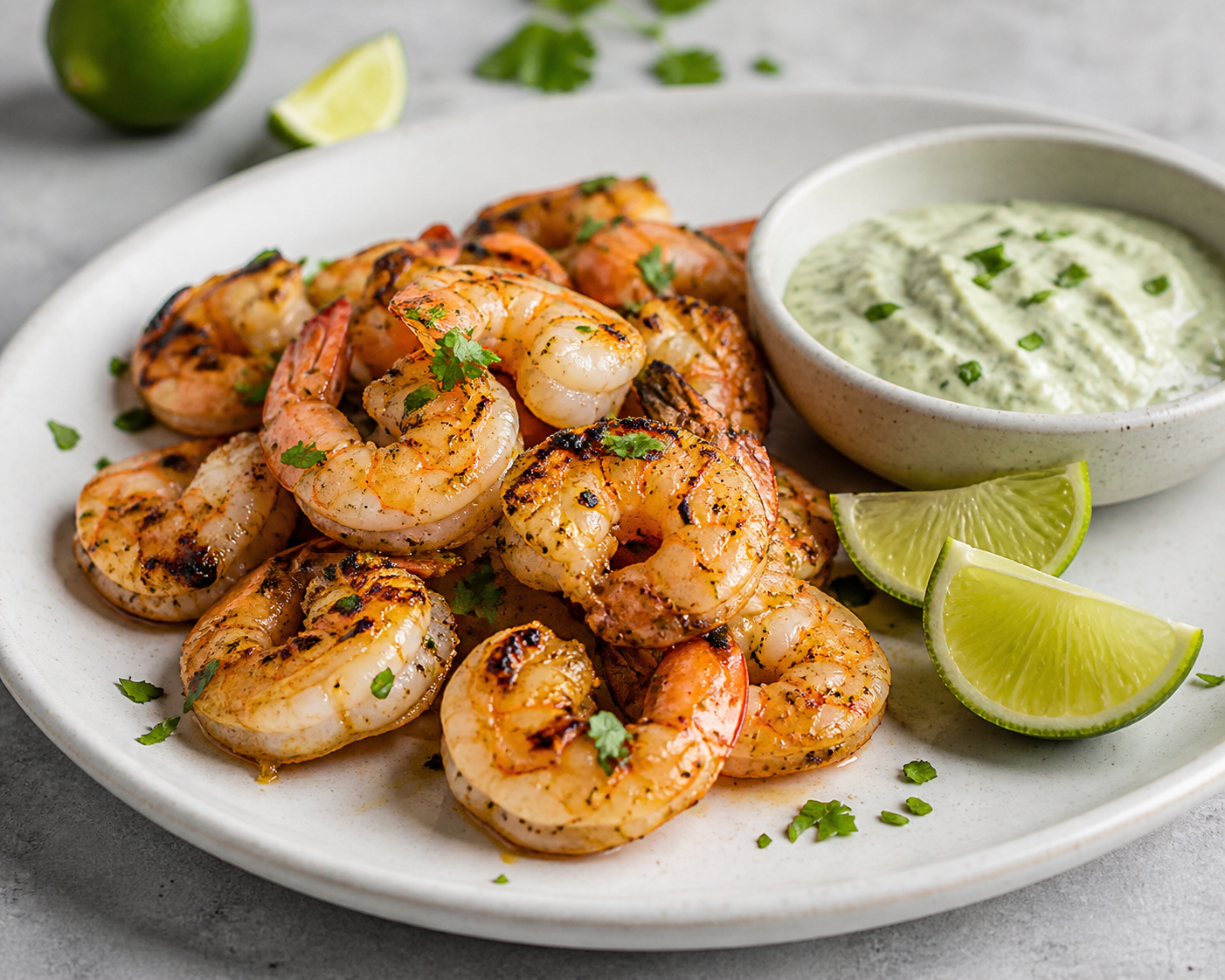
A seafood dinner source with shrimp, flavor, and a lower-carb profile that could pair well with slaw or vegetables.
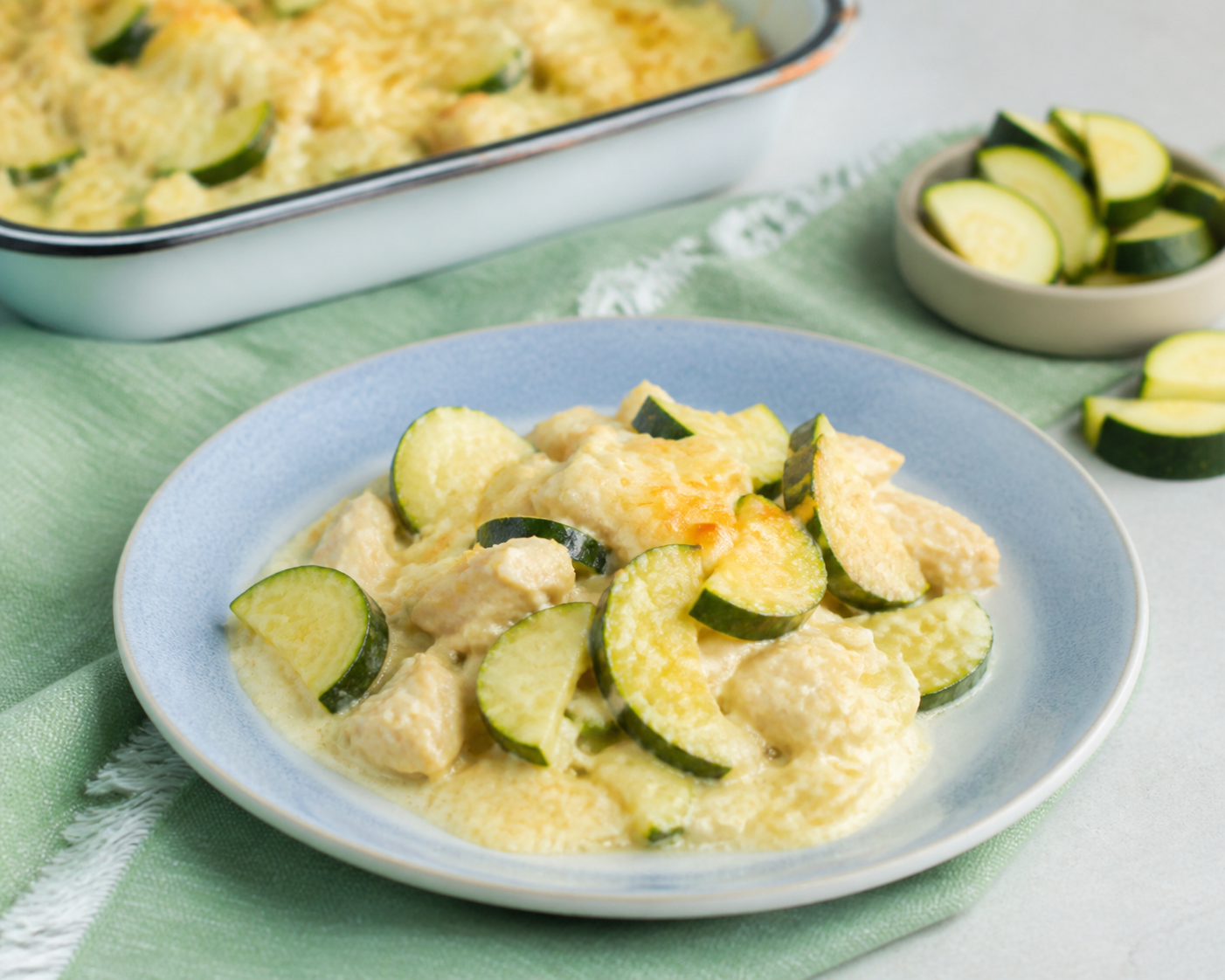
A family dinner source built around chicken, zucchini, onion, cheese, and a creamy casserole feel.
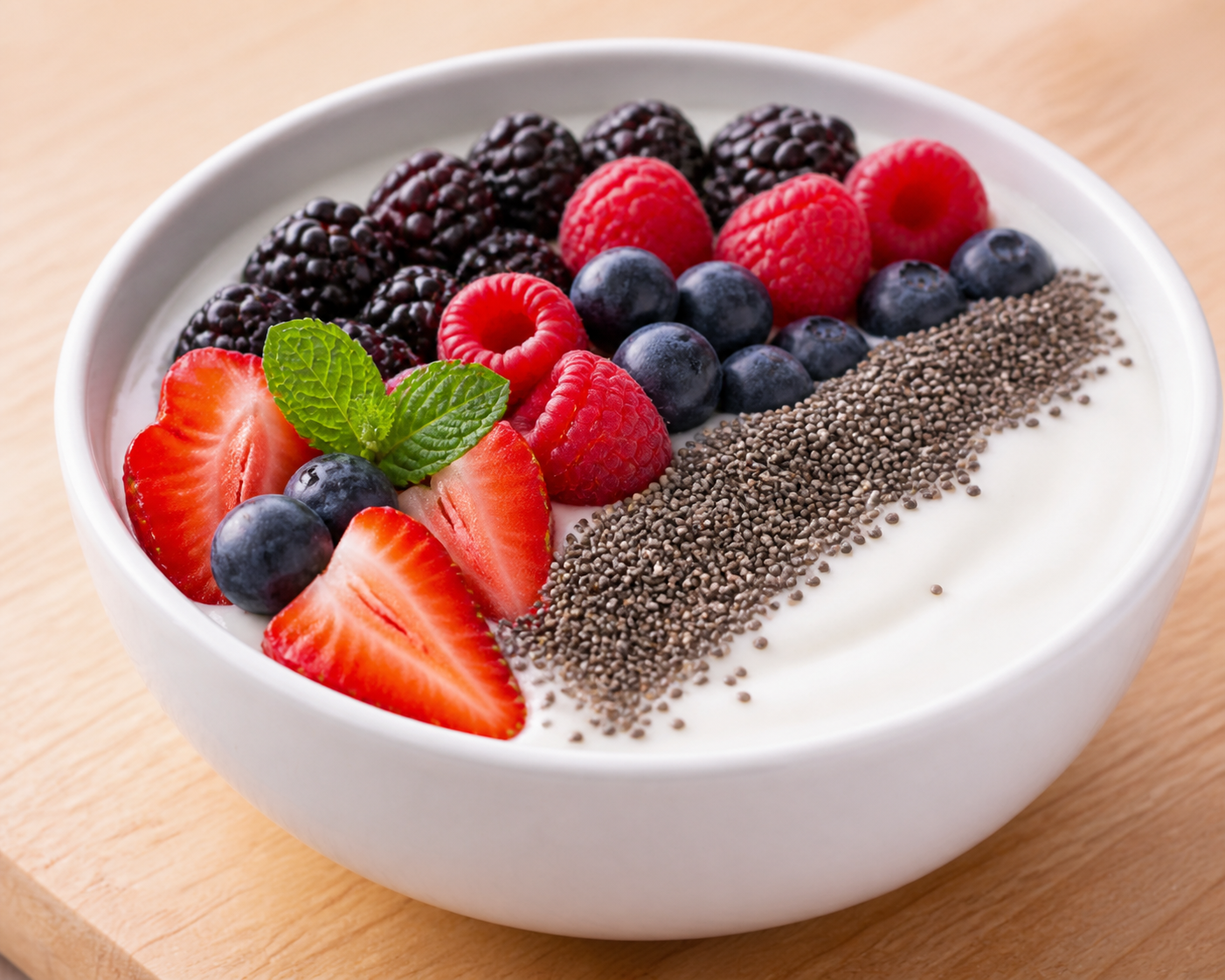
A simple breakfast structure using plain Greek yogurt, fruit, nuts or seeds, and measured toppings.
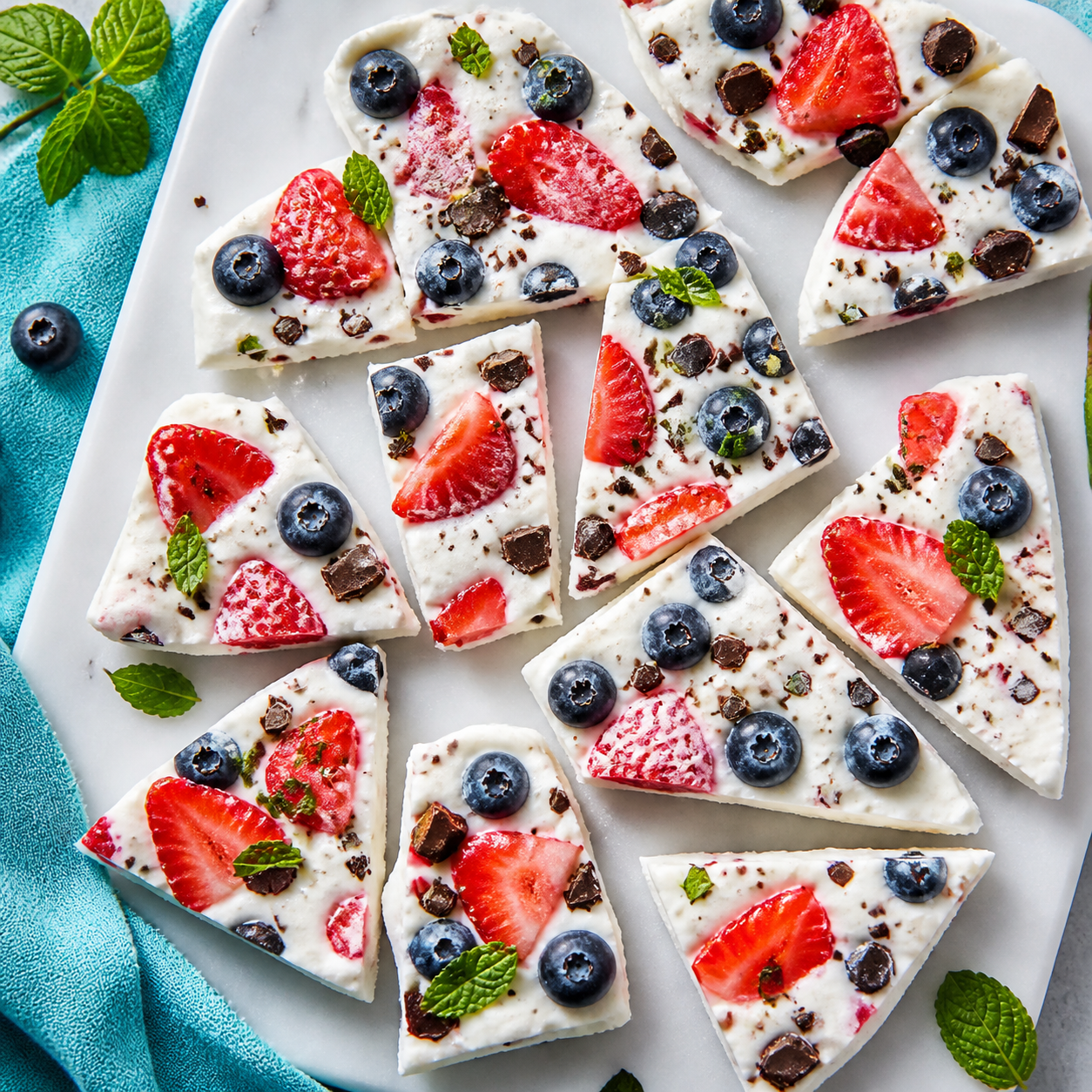
A frozen snack idea with Greek yogurt, strawberries, and small dark chocolate pieces for a more controlled sweet option.
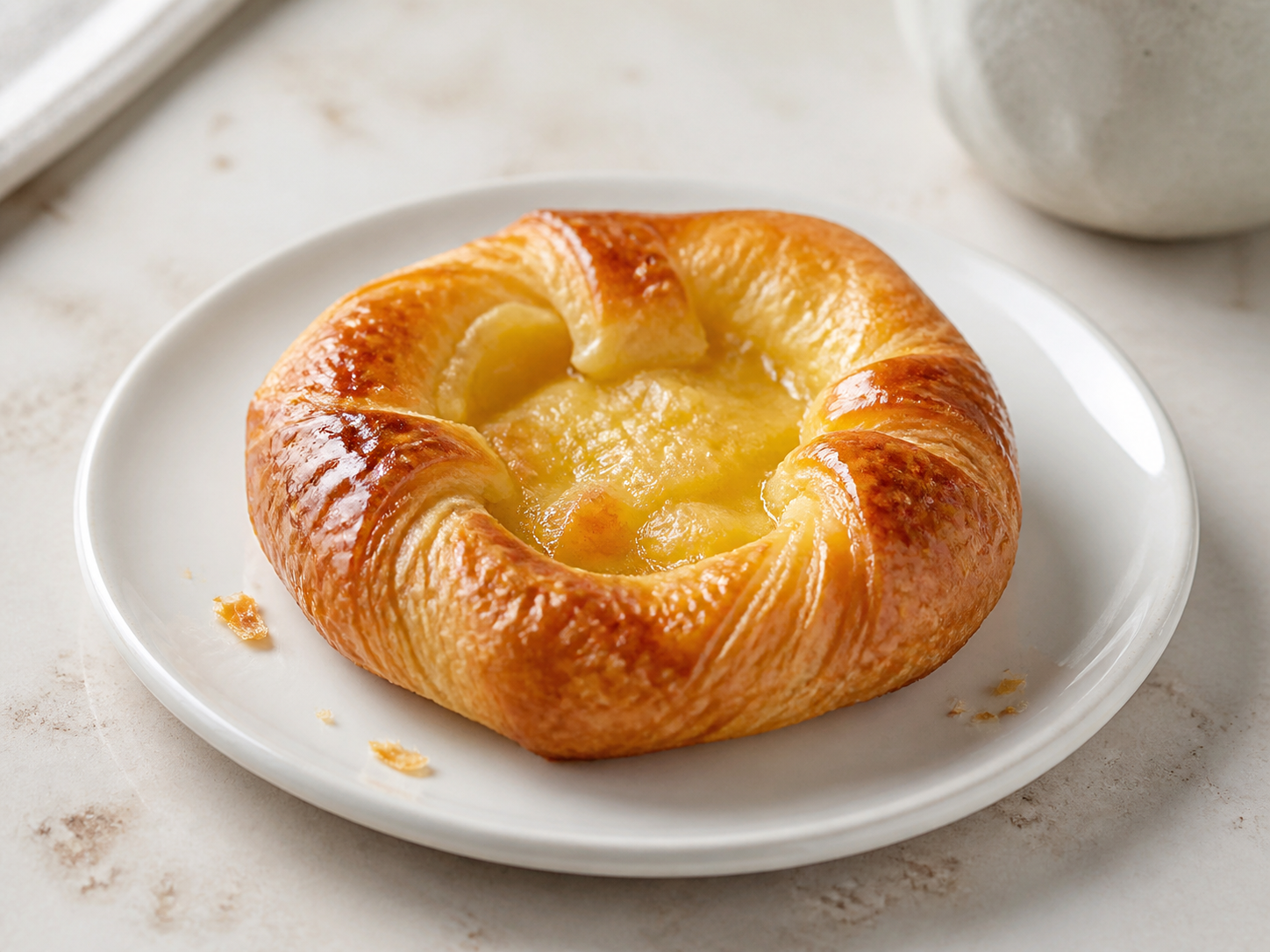
A higher-spike breakfast example for showing why sweet, low-fiber morning foods can rise faster than protein-and-fiber meals.
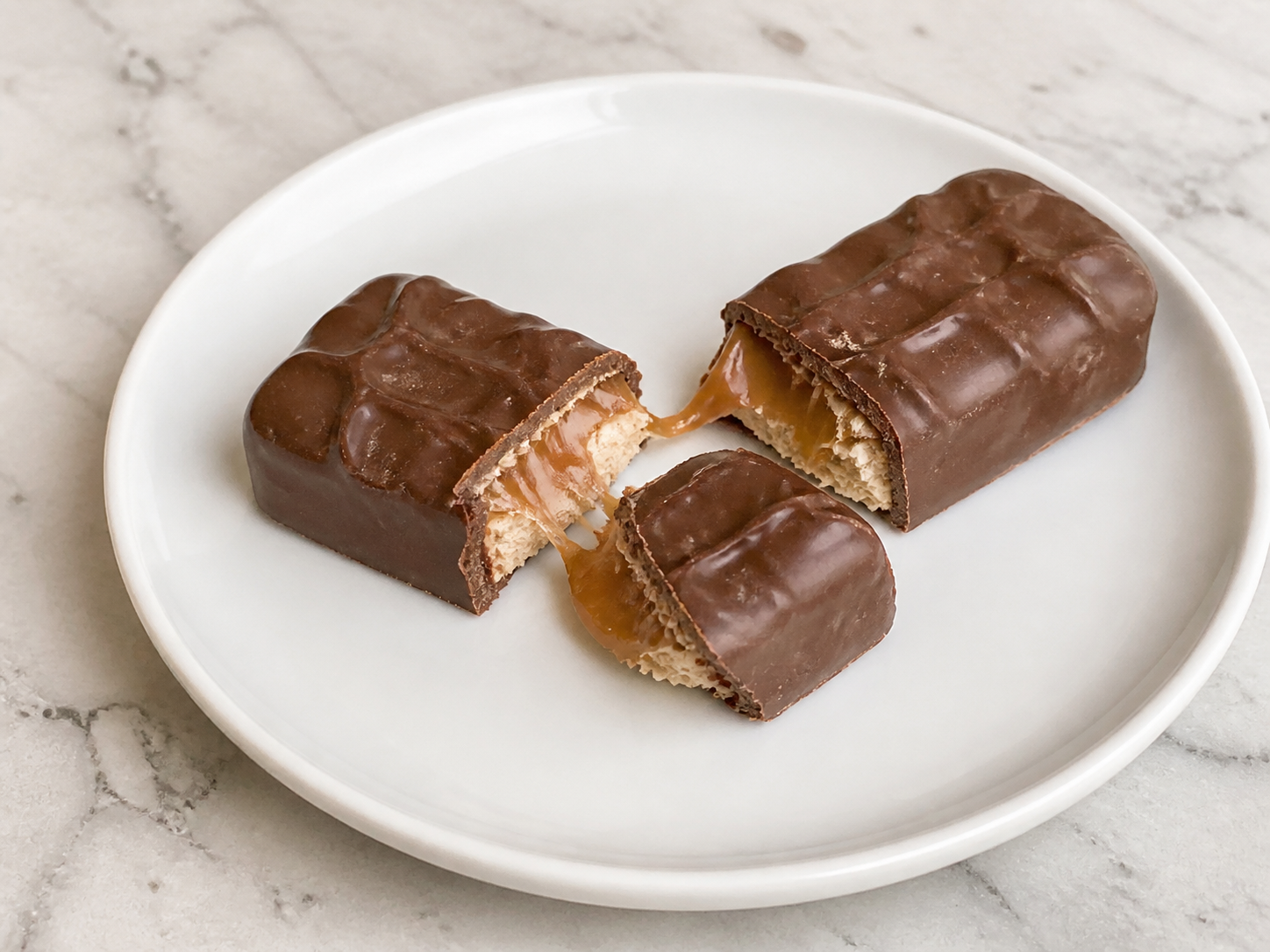
A familiar higher-spike snack example that helps readers compare fast sugar against higher-fiber, protein-balanced options.
Each score is a general educational estimate based on serving size, carbs, fiber, net carbs, protein, calories, sugars, and the expected shape of the glucose curve.
These charts are educational examples. A real response can change with medication, insulin, stress, sleep, activity, illness, and personal health needs.
Each card sends readers to the original recipe creator for the full recipe, while Diabetic Shape adds a glucose-focused summary.
Shopping buttons point to useful tools or ingredients. Some links may earn Diabetic Shape a commission at no extra cost to readers.